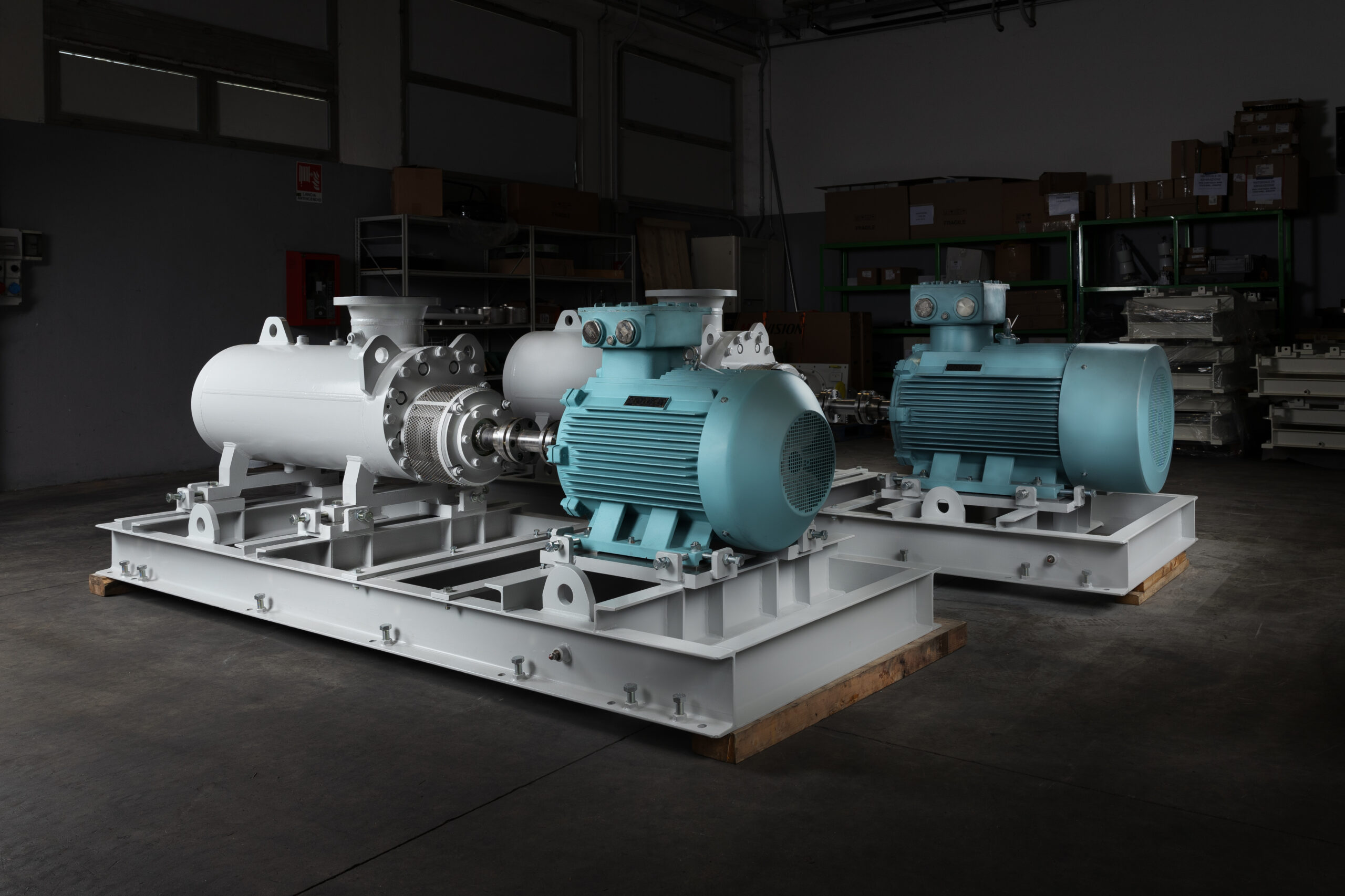
In the world of screw pumps, quality is never accidental. It is the result of a structured process that starts from application analysis and leads all the way to final testing, through design, precision machining and rigorous validation.
To better understand what lies behind a SEIM pump, we interviewed Davide Trezzi, Plant & Technical Chief Officer, who takes us inside the production process.
- How is a SEIM pump developed, from design to production?
The development process of a SEIM pump starts with the analysis of the application requirements. The sales department collects the customer’s needs and defines the project input data.
Based on this, the R&D department carries out a preliminary study and, after management approval, proceeds with the design of the prototype.
Once the design is completed, the project enters the production phase: all company functions, from procurement to manufacturing, are involved in producing the first sample and the necessary equipment for machining, assembly and testing.
The prototype is then subjected to validation tests by the R&D department. Only after successfully passing this phase does the development of the product range begin, including tooling, assembly areas, testing infrastructure, technical and commercial documentation, as well as packaging solutions.
- What are the most critical phases in the production process?
All phases are critical. The final quality of the pump depends on a chain of activities where each step has a direct impact on the result.
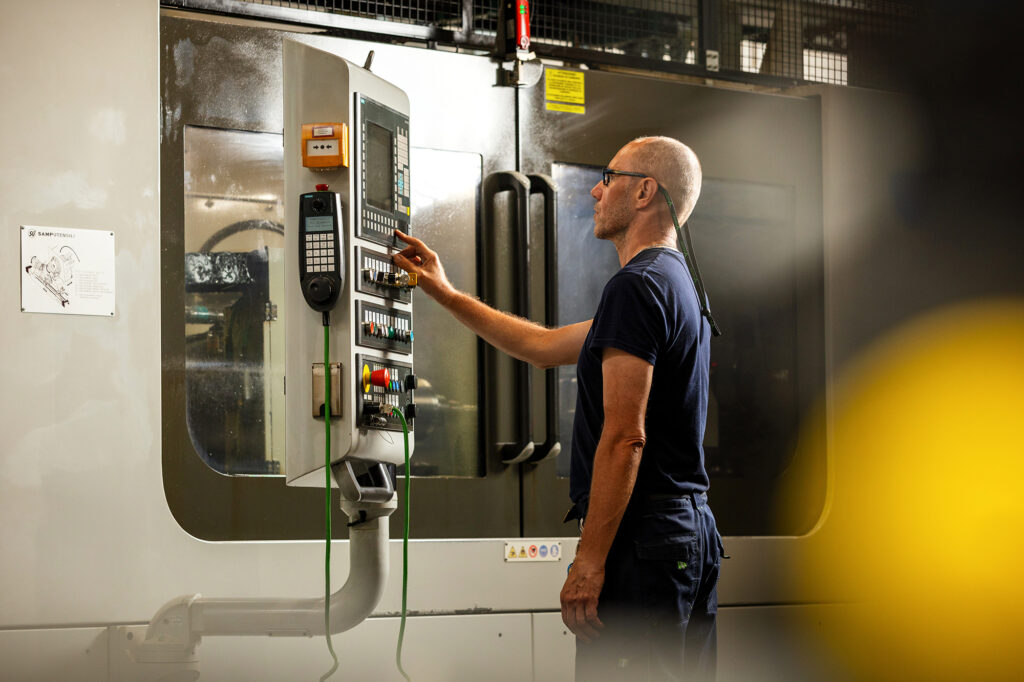
The process starts with incoming material inspection and continues through machining, grinding and heat treatments, up to final testing and packaging. Each phase must be carried out with maximum precision to ensure long-term performance and reliability.
- How do you ensure that each pump meets quality and performance standards?
Compliance is ensured by referring to specific standards or to technical specifications agreed upon and approved with the customer.
These references define the final product acceptance criteria and guide all control phases. In this way, each pump is verified against clear parameters, ensuring consistency between design and actual performance.
- How important are testing and validation for pump reliability?
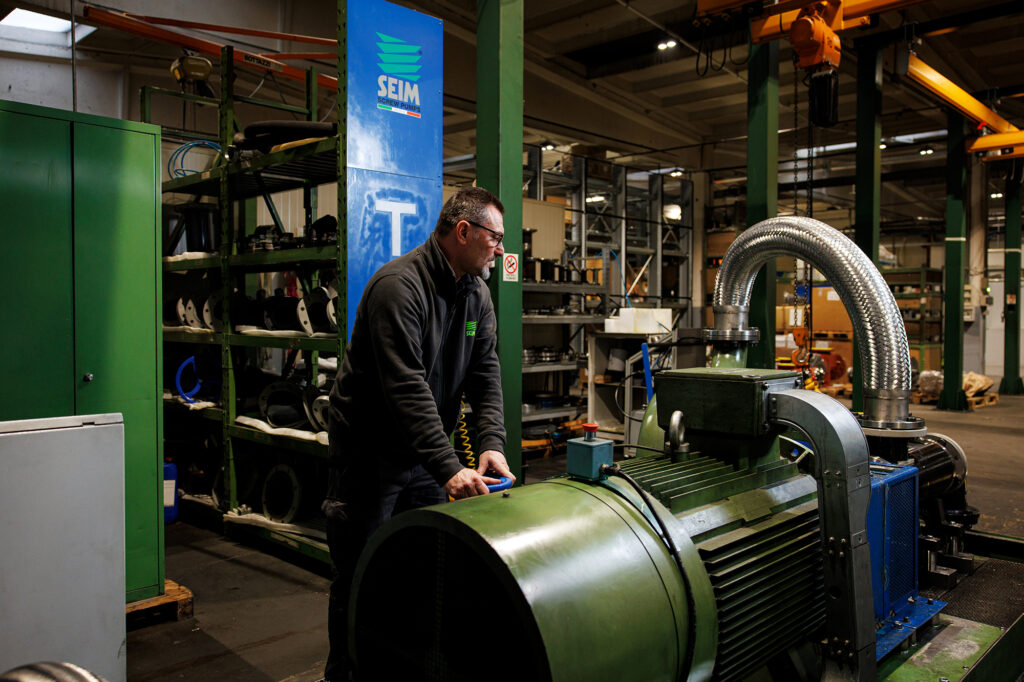
Testing is a fundamental step, especially during the prototype validation phase.
The tests carried out by the R&D department allow verification of the pump’s real behavior and ensure its reliability before serial production begins. This phase is crucial to consolidate product performance and reduce risks during operation.
- What is the role of grinding and mechanical precision in pump performance and durability?
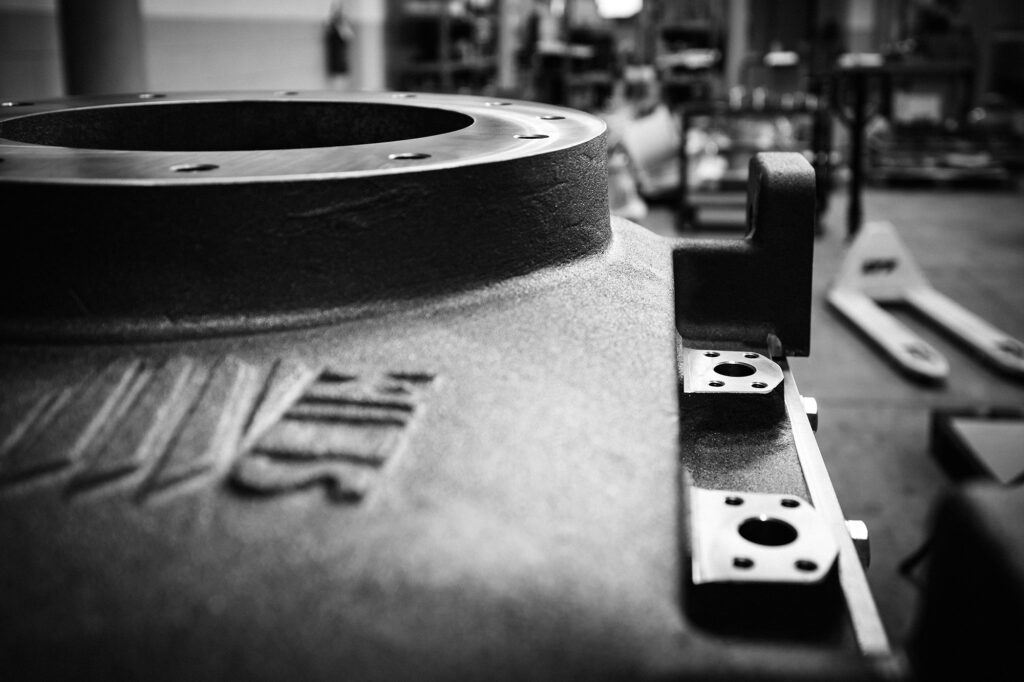
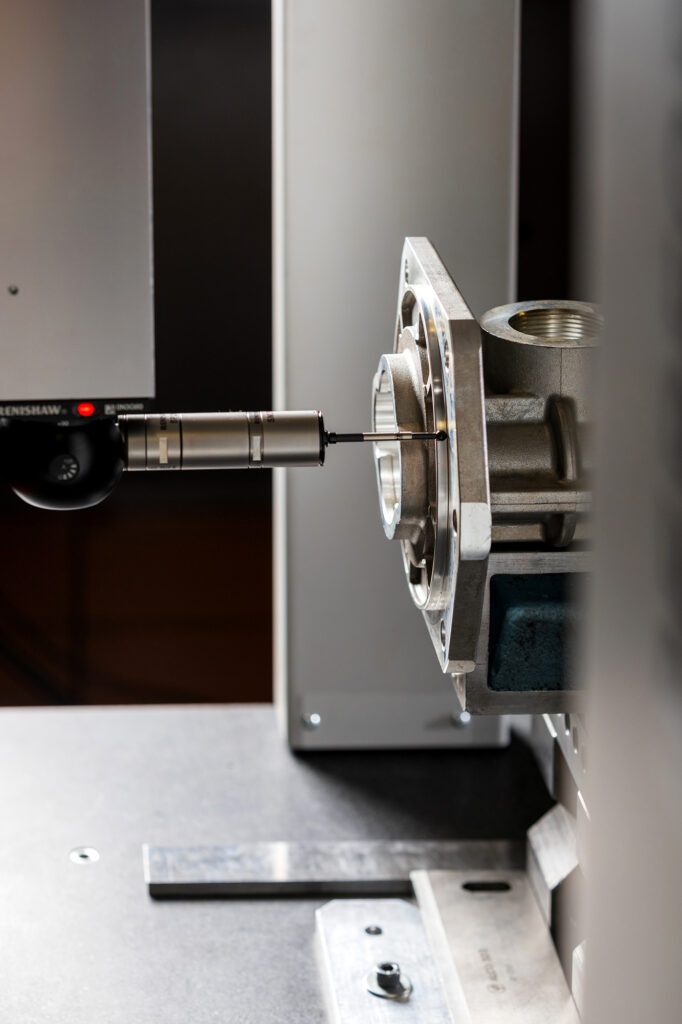
Machining precision is a key factor. Grinding, in particular, allows very tight tolerances and high-quality surface finishes to be achieved, which are essential for efficiency, low noise and long service life.
This is combined with material quality and heat treatments, which improve wear resistance and long-term stability. The balance between these elements determines the overall performance of the pump.
- How does SEIM production adapt to different applications (Industrial, Marine, Lift, Oil&Gas)?
SEIM production is structured to meet the requirements of different application sectors, each with its own standards and specifications.
For each pump, the relevant industry standards are considered, ensuring compliance, safety and performance suited to operating conditions. This approach enables the development of reliable solutions that are perfectly integrated into different application environments.
From the initial request to final testing, every SEIM pump is the result of a process in which design, production and quality control work in synergy.
It is precisely this attention to every detail, from material selection to machining precision and product validation, that ensures reliability and long-term performance, even in the most demanding applications.