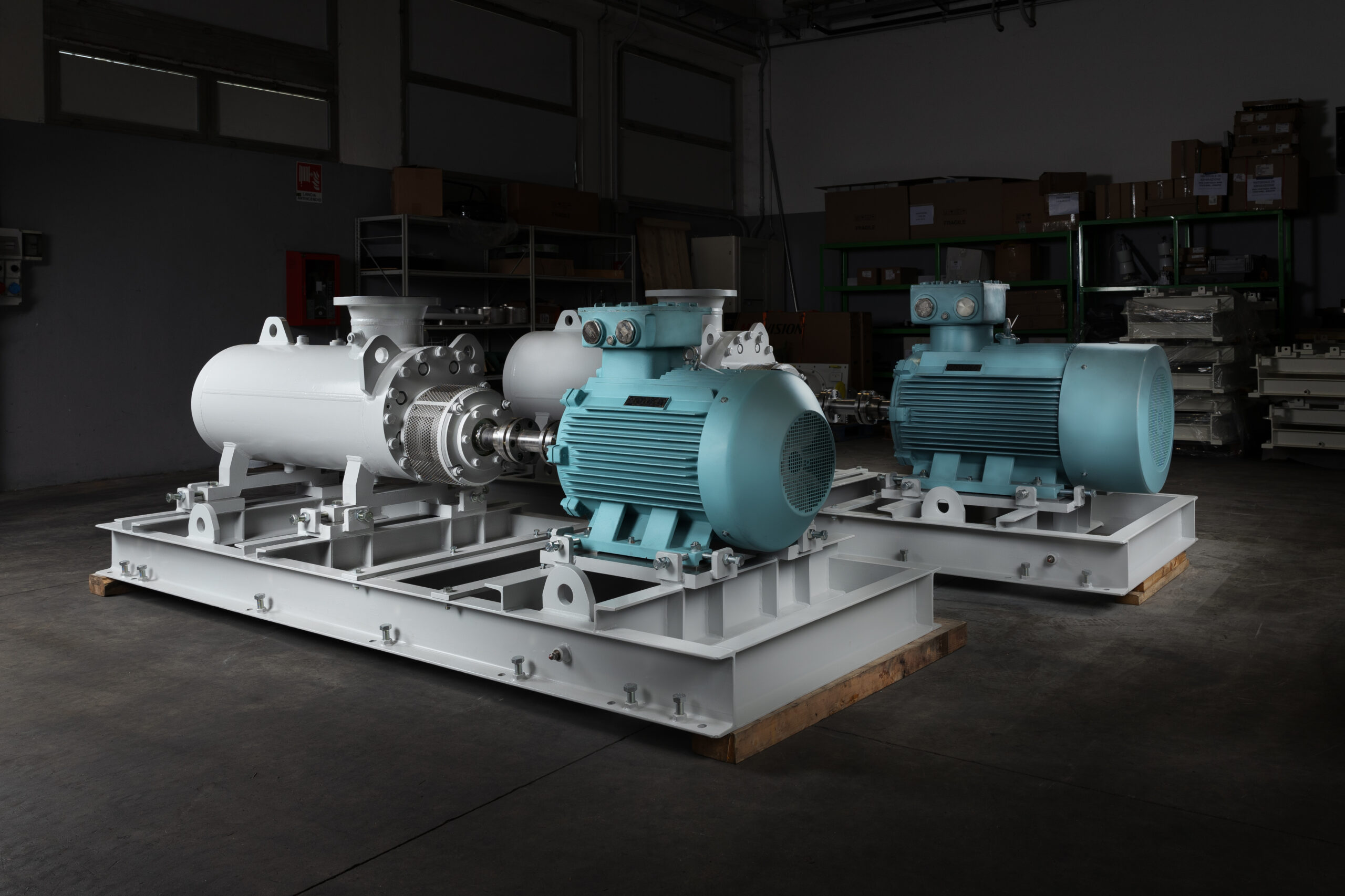
When a pump must meet specific requirements, simply adapting an existing product is not enough. A structured process involving technical expertise, planning, coordination, and continuous communication between the customer and the company is required.
At SEIM, this process is entrusted to the Project Manager and the Project Engineering team, who act as the link between the technical department, production, quality, logistics, and sales.
From the analysis of technical specifications through to final delivery, their role is to ensure that every customized project progresses according to agreed timelines, requirements, and objectives, transforming often complex needs into reliable and practical solutions.
To gain a deeper understanding of the role of Project Engineering within SEIM, we interviewed Paolo Mereghetti, Project Manager, who takes us behind the scenes of special projects and customized solutions.
- What is the role of the Project Manager and the Project Engineering team in the development of a special project?
In non-standard projects, the Project Manager and Project Engineers work in close synergy, each with complementary responsibilities
The Project Manager is primarily responsible for coordination and management. This role involves organizing activities, leading the team, and ensuring that timelines and objectives are met.
More specifically, the Project Manager directly oversees the Project Engineers, aligning their activities and setting priorities. His task is to ensure that projects progress efficiently and consistently, maintaining an overall view of operations and intervening promptly whenever issues or adjustments arise.
Project Engineers, on the other hand, represent the operational link between the customer and the company. They collaborate with the technical department, quality, production, logistics, and sales teams to transform customer requirements into a tangible solution, following the project from order acquisition through to final delivery.
The added value lies precisely in the integration of coordination and execution, a particularly important aspect in custom projects where flexibility and responsiveness make all the difference.
- What are the main stages involved in the development of a custom project, from technical analysis to final delivery?
Every customized project follows a structured process involving several company departments.
The journey begins with the analysis of technical specifications and customer requirements, followed by project development in collaboration with the technical department and the approval of the relevant documentation.
Production activities are then planned, procurement is managed, and manufacturing begins. The process continues with assembly, testing, final inspections, documentation, and shipment
At the same time, the Project Engineering team maintains constant communication with the customer, providing regular updates on project progress and ensuring transparency throughout every stage of the process.
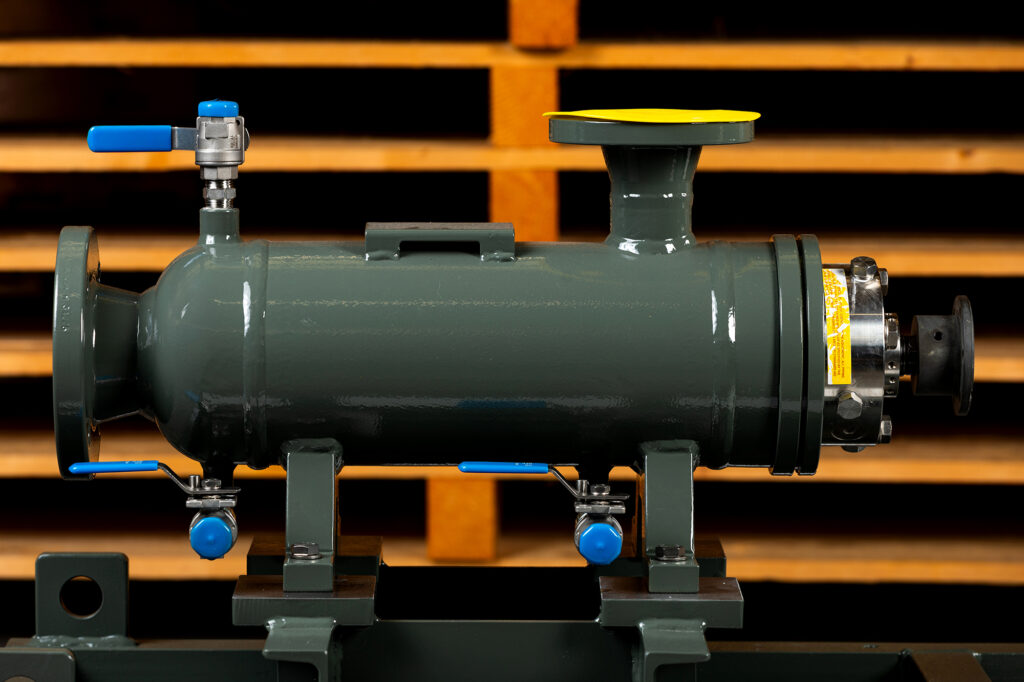
- Which coordination and alignment activities between departments are the most critical during the development of a customized project?
First of all, it is important to highlight that every stage of the project is crucial. Even a single activity that is not carried out correctly can disrupt the project workflow or lead to non-conformities.
If we had to identify the most critical phases in terms of complexity and impact, technical alignment and the issuance of the related certifications would certainly be among them.
Clearly defining requirements, specifications, and customer expectations is essential to avoid issues during subsequent design and production phases, with potential consequences for timing, costs, and quality.
In recent years, these activities have become increasingly complex due to the growing number of regulations, certification requirements, and technical documentation to be managed. For this reason, continuous coordination between departments is essential to ensure product quality, delivery performance, and compliance
- Quali sono le competenze, le caratteristiche e i punti di forza che rendono SEIM il partner preferenziale dei clienti per lo sviluppo di soluzioni personalizzate?
One of the aspects most appreciated by customers is SEIM’s ability to combine product quality, design flexibility, and close customer support.
SEIM ensures high quality standards through rigorous material inspections, functional testing on every pump produced, and continuous investment in technologies and technical expertise.
This is complemented by careful schedule management. To address this challenge, SEIM has developed a constant project monitoring system based on continuous supplier expediting activities and detailed project planning.
Should unforeseen circumstances arise, SEIM guarantees prompt and transparent communication, immediately sharing any delays and defining corrective actions to minimize their impact. Customers are involved and updated throughout every stage of the project and can rely on a dedicated contact person who coordinates activities, information, and requests.
It is precisely this combination of technical expertise, customization, and continuous support, including after-sales service, that enables SEIM to build long-lasting partnerships with customers across a wide range of industries.
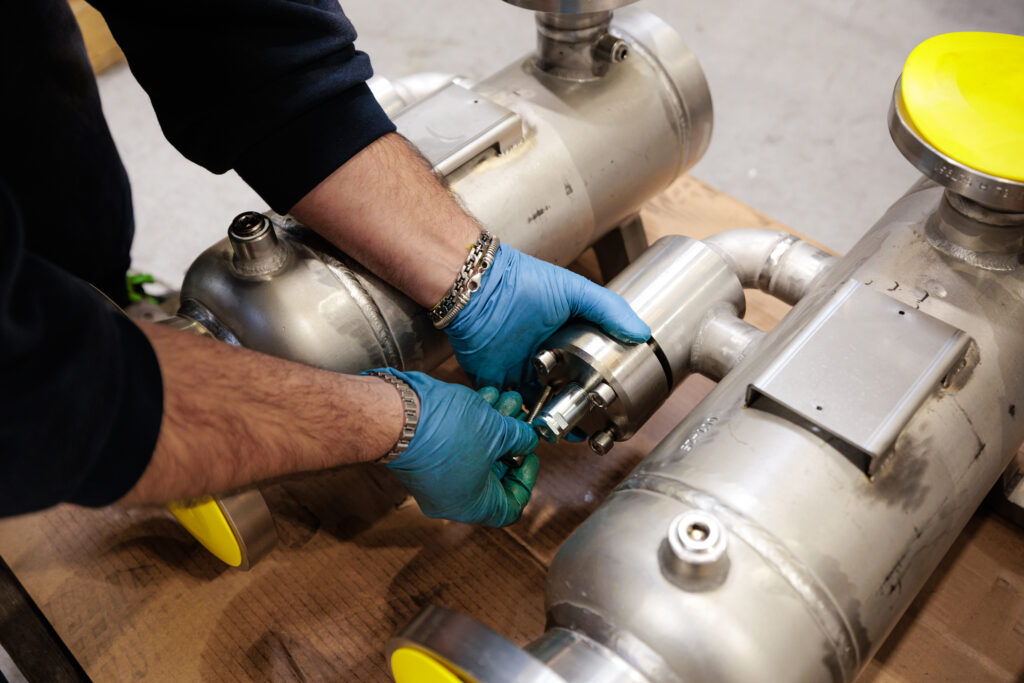
Every customized project is the result of teamwork involving technical expertise, organization, and coordination capabilities.
For SEIM, Project Engineering is not simply a project management function, but a strategic element that ensures quality, compliance with specifications, and continuous customer communication throughout every stage of the project lifecycle.