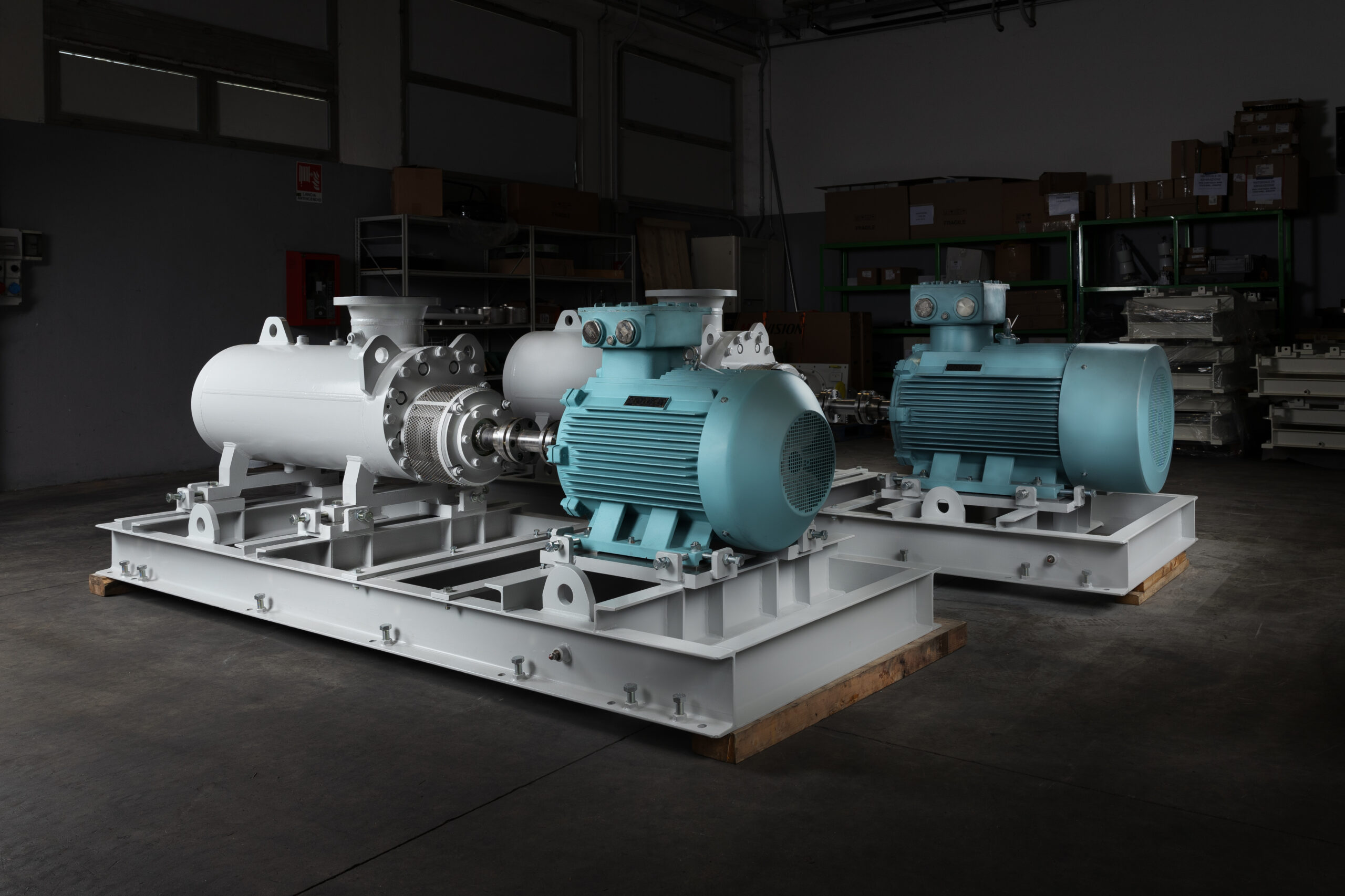
In the world of screw pumps, reliability and performance do not depend only on product quality, but also on how the pump is used and maintained over time. Real challenges often emerge directly in the field, where operating conditions are far from ideal design parameters.
For this reason, we collected the perspective of Fabrizio Maffioli, SEIM After Sales Manager, who coordinates service and maintenance activities on screw pumps in complex industrial environments every day. The result is a clear picture made of recurring issues, technical challenges and practical solutions applied directly on site.
- What are the most common issues with screw pumps?
“The most frequent issues involve abnormal noise, cavitation, incorrect flushing procedures and, in the most severe cases, pump seizure.
In most situations, these problems are not caused by the pump itself, but by incorrect operation or non-optimal system conditions.”
- Screw pump maintenance: how often is it really needed?
“In general, a SEIM screw pump is designed for an estimated service life of around 25,000 operating hours, as indicated in the technical manuals. However, this value can vary significantly depending on the pump type, application, pumped fluid and operating conditions.
In real operating environments, it is not uncommon to find pumps that have been running for many years and are still working perfectly. In several cases, pumps can operate for ten years or more without major maintenance, still using the original main components.
This confirms the high reliability of screw pumps, but it also highlights an important point: preventive maintenance is often underestimated. Properly planned maintenance not only reduces the risk of unexpected failures, but also extends pump life and ensures consistent performance over time.”
- What are the most complex service interventions on screw pumps?
“The most challenging interventions usually occur in complex plant environments, where the initial pump issue is part of a broader system problem. In these situations, screw pump service evolves into a full system analysis, often revealing issues related to other components or to the overall plant configuration.
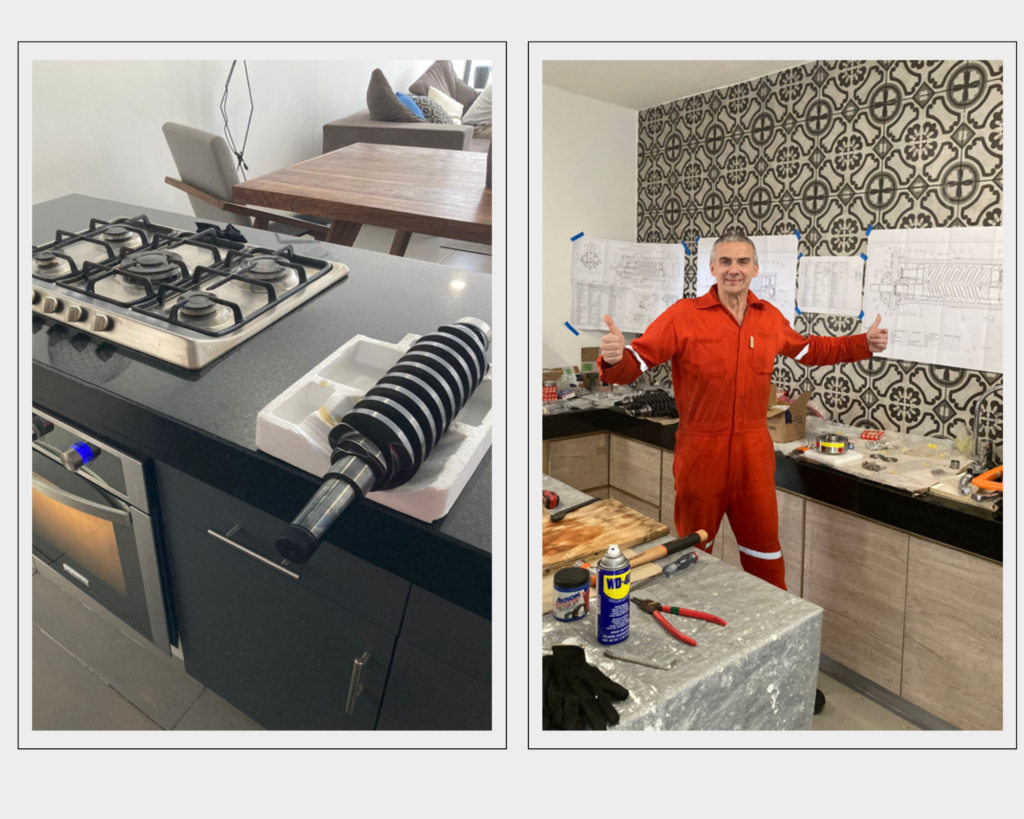
One of the most significant experiences took place in Mexico, during a large energy project managed under emergency conditions. The team had to operate in a remote location with limited resources and without proper equipment. Some operations had to be adapted using unconventional environments and improvised solutions, such as using domestic spaces for technical operations or manually lifting heavy components for assembly.
In addition to on-site interventions, remote support during testing and technical inspections has also been crucial to analyse recurring issues such as pump seizures and to verify hydraulic system concepts directly in real operating conditions.”
- How are the most critical screw pump problems solved?
“The key factor is know-how. Collaboration between Service, Engineering, R&D and Production allows us to address every problem quickly and effectively.
Another often underestimated factor is operator training. Limited knowledge of screw pumps can significantly affect performance and reliability.”
- How can screw pump failures be prevented?
“Prevention starts with a simple but essential step: following the technical manuals.
The main information about installation, operation and maintenance is already available in the documentation, but it is often consulted only when a problem occurs. Proper pump operation, correct working conditions and scheduled maintenance are the main factors that reduce failures and extend pump life.”
- What are the early signs of a potential problem?
“One of the first indicators of a problem is a change in pump noise.
Recognizing this signal early allows intervention before the issue becomes a serious failure, reducing downtime and maintenance costs.”
Field experience shows that the reliability of screw pumps comes from the combination of product quality, proper operation and technical expertise.
Maintenance, training and service capability make as much difference as the technology itself. Thanks to daily field service activities, this expertise continues to grow, turning every intervention into real value for the customer.