In the Oil&Gas industry, pump selection is never a minor detail. Reliability, continuous operation and compliance with international standards are essential in environments where any downtime can lead to extremely high costs.
To explore applications, key requirements and market trends, we interviewed Gianluca Vicentini, Sales Director of the Oil&Gas division at SEIM Screw Pumps.
- What are the main applications of SEIM pumps in the Oil & Gas sector?
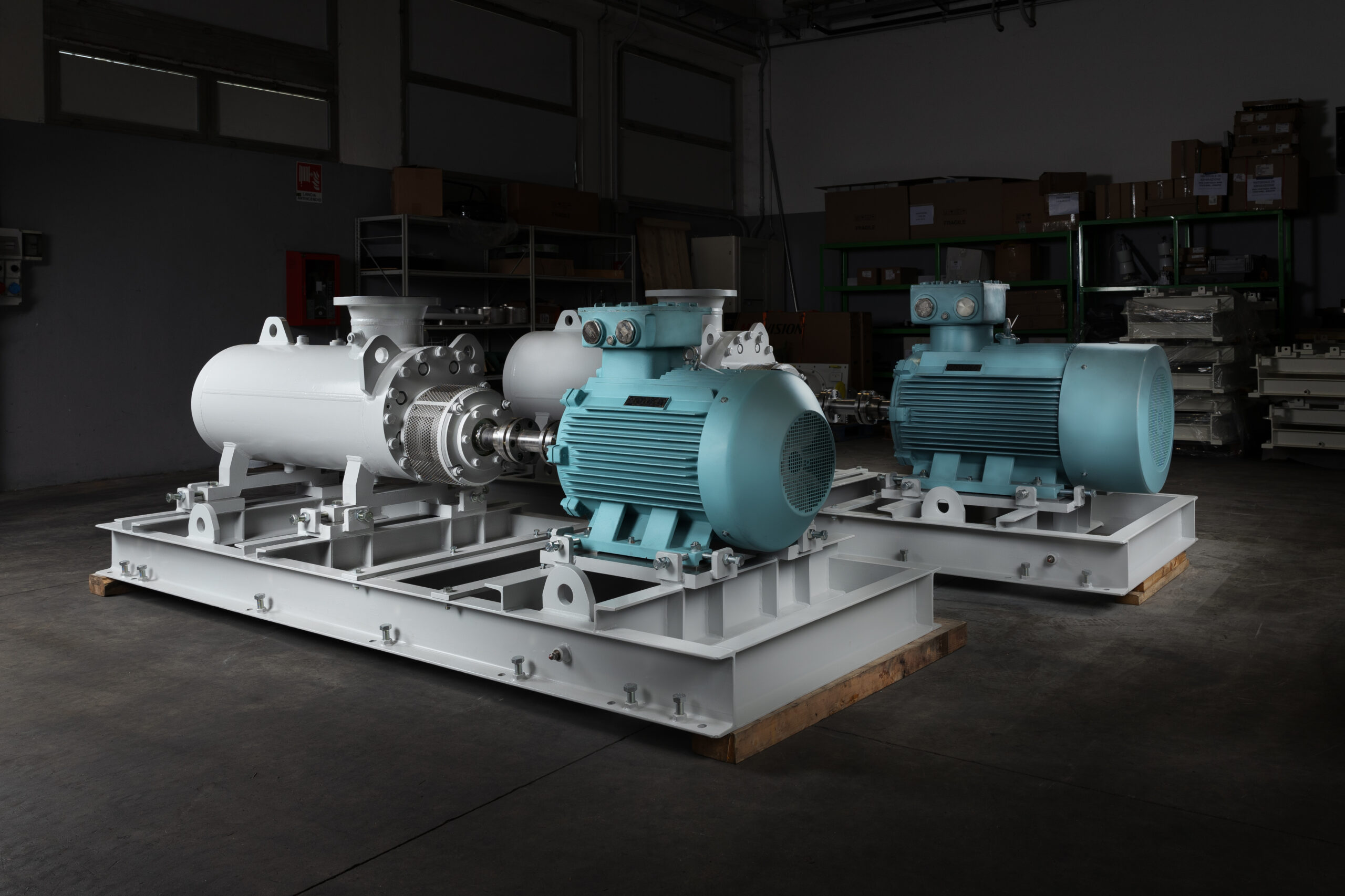
Our core business is related to pumps compliant with API 676 4th Edition, installed in lubrication systems for crank mechanisms and/or bearings of rotating machinery.
Below is a brief overview of some typical applications:
- Lubrication systems: this is our main application. We provide constant and reliable lubrication for large rotating machines such as gas and steam turbines, centrifugal and reciprocating compressors, and gearboxes/speed increasers. In these systems, operational continuity is vital to prevent major failures.
- Fuel oil supply systems: SEIM screw pumps are used for pumping and transferring fuels (light and heavy fuel oil) to burners and generators, ensuring a constant flow that optimizes combustion and reduces emissions.
- Cooling and filtration circuits (off-line): thanks to volumetric efficiency, our pumps are ideal for circulating oil through heat exchangers and filters, maintaining the fluid in optimal operating conditions.
- Low-pressure pipeline and loading/unloading applications: SEIM pumps are used for transferring crude oil, lubricants or additives in storage terminals and offshore platforms, where low noise and absence of vibrations protect piping and measuring instruments.
- Seal oil systems: crucial for maintaining seal oil pressure in compressors, preventing process gas leakage into the atmosphere.
- What are the most critical customer requirements and how do they impact pump selection?
- Maximum reliability (Zero Downtime): a plant shutdown in a refinery or on an offshore platform leads to extremely high costs. For this reason, the choice falls on pumps designed with oversized and highly reliable components.
- Safety & Containment: handling flammable, corrosive or high-temperature fluids requires very strict safety standards.
- Resistance to harsh environments: whether in saline offshore environments or desert temperatures, customers require highly resilient machines. This leads to the selection of construction materials and surface treatments capable of extending product life.
All these aspects are translated into dedicated project specifications, which are analyzed by the SEIM Sales Team in order to select and propose customized solutions tailored to the needs of the end user or the EPC contractor responsible for the plant design.
- What differentiates SEIM screw pumps from competitors in Oil&Gas applications?
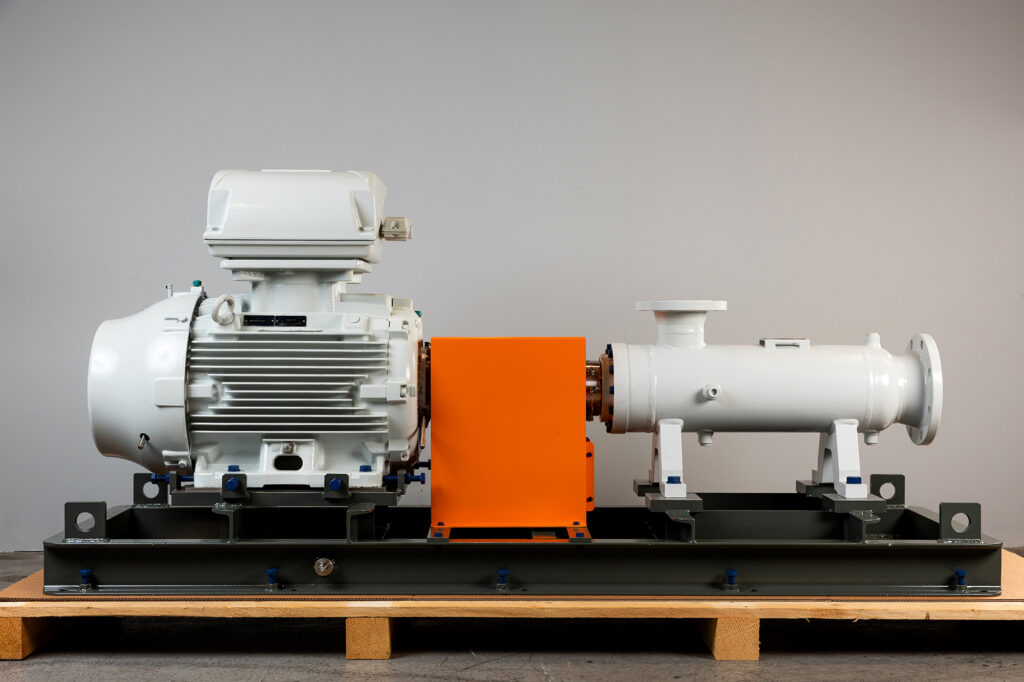
In a crowded market, the difference is not made only by the product, but by the engineering behind it. This is why SEIM screw pumps have become a reference point in the Oil & Gas sector:
- Constant volumetric efficiency: unlike centrifugal pumps, one of the main alternative technologies, screw pumps ensure a constant flow even with variations in fluid viscosity and back pressure. This results in process stability, which is essential in lubrication and supply systems.
- Zero pulsations: SEIM screws move the fluid in a smooth axial way. This avoids fluid emulsification and significantly reduces vibrations in the piping, protecting the entire system and downstream components.
- Customization and international standards: we do not supply “off-the-shelf pumps”, but design solutions compliant with API 676 standards, integrating even more demanding plant requirements.
- Low noise operation: in already complex working environments, the design of our screw profiles minimizes noise levels, improving safety and comfort in the installation area.
In the field of positive displacement screw pumps, there are long-established companies that have always been considered a benchmark for product quality. Today, we can say that we have reached a comparable level of quality, while continuing to offer the flexibility that has always distinguished us.
- How important are reliability and operational continuity in these contexts and how does SEIM respond?
In Oil&Gas, reliability is not an option: it is the line between a successful operation and a major economic loss. A failure in a lubrication pump for a turbine or compressor can stop an entire plant within seconds.
At SEIM, we address this challenge through a strategy based on three pillars:
- Simple design, maximum durability: two- and three-screw designs minimize the number of components subject to wear. Fewer parts mean fewer potential failure points. Contact between screws is generally mediated by the fluid itself and/or by specific treatments in case of low-lubricity fluids, ensuring very long service life even in continuous 24/7 operation.
- High-performance materials: we use alloy steels and advanced heat treatments for screws and pump bodies. This allows our products to handle sudden temperature changes and low-lubricity fluids without losing efficiency.
- Predictive and easy maintenance: we know that operational continuity also depends on intervention speed. Our pumps are designed to be easily inspectable.
- How do SEIM solutions comply with Oil&Gas standards and regulations?
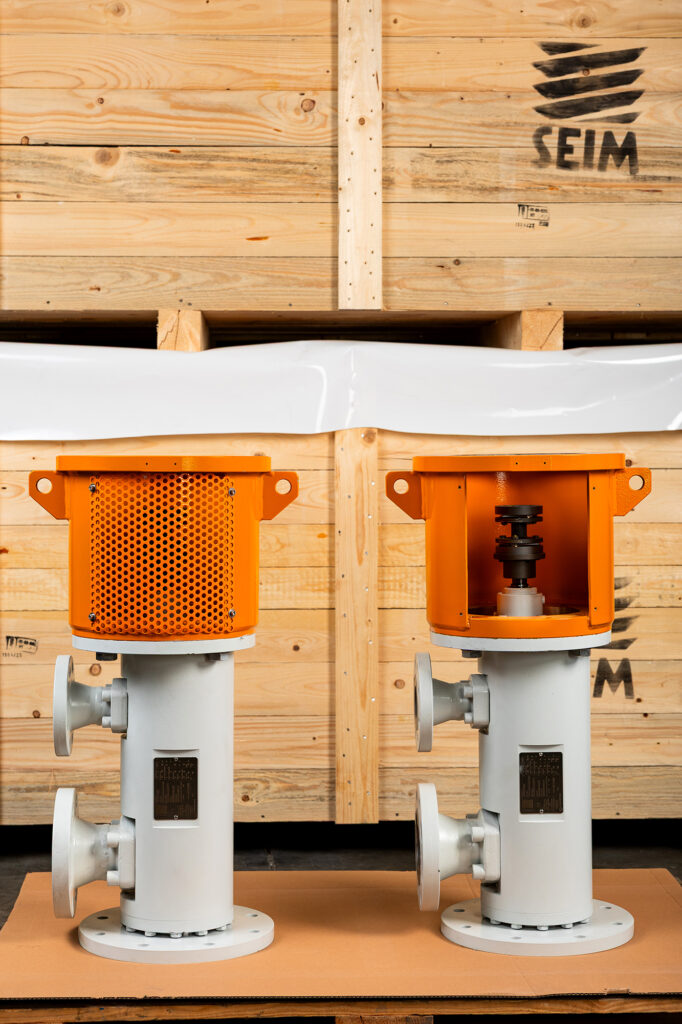
- API standards (American Petroleum Institute): our pumps are designed according to API 676 guidelines for rotary positive displacement pumps, ensuring compliance with design, material and testing requirements required by major Oil & Gas operators worldwide.
- ATEX certifications: operating in potentially explosive atmospheres, safety is our priority. We offer ATEX-certified solutions, ensuring that every component, from mechanical seals to motor selection, is suitable for hazardous areas.
- Materials: all materials are traceable and certified according to EN 10204 3.1, ensuring full transparency in metallurgical quality.
- Customized testing: each pump can undergo rigorous performance testing on our test benches, with the possibility of witnessed tests by third parties or customers, to validate compliance with project specifications.
- What are the main challenges and trends in the Oil&Gas market today and how is SEIM positioning itself?
The Oil&Gas market is undergoing an unprecedented transformation, where efficiency is no longer only a matter of cost, but also of sustainability and innovation. At SEIM, we are addressing this evolution by focusing on four main trends:
- Energy efficiency and carbon footprint reduction: the challenge is to do more with less. Our three-screw pumps are inherently more efficient in many applications compared to traditional technologies, reducing energy waste and indirect emissions.
- Transition to new fuels: the sector is increasingly looking at biofuels (such as methanol and ammonia) and hydrogen. SEIM is already testing and supplying solutions for low-viscosity fluids and new mixtures, adapting screw technology to support customers in the energy transition without compromising reliability.
- Digitalization and smart maintenance: the move towards automated plants requires components capable of communication. We are integrating increasingly advanced monitoring systems to enable remote diagnostics and true predictive maintenance, reducing the need for physical interventions in hazardous environments.
- Supply chain resilience: in a volatile world, the ability to deliver products compliant with international standards within reliable timelines has become a key competitive factor. SEIM responds with a streamlined supply chain and flexible production, ensuring fast responses to global market needs.
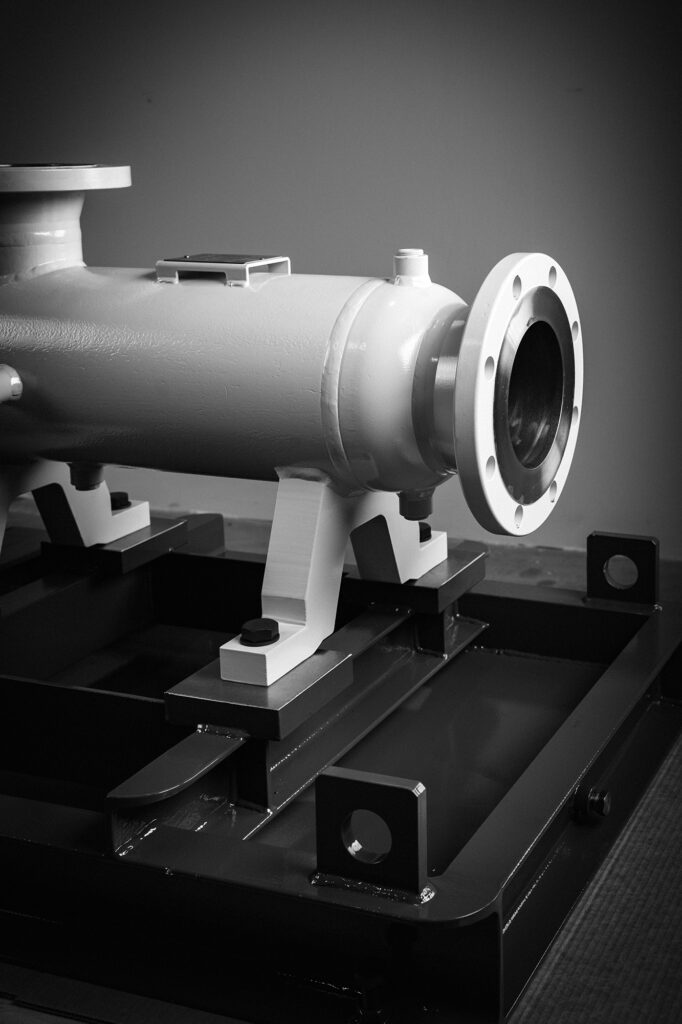
In the Oil&Gas sector, pump selection is closely linked to the ability to ensure operational continuity, safety and compliance with international standards.
SEIM screw pumps represent a well-established solution to meet these challenges, thanks to an approach that combines engineering, customization and continuous attention to market evolution.